
Some Asian restorers/rebuilders
think that converting a Vespa with 8"wheels to a 10" setup will make the
scooter safer and easier to ride. Think about it! ....To accommodate the
larger wheel the forks have to be replaced with a more recent model type and
they may not fit the frame because of the different orientation of the
headset locking bolt and the position and design of the winglets that
prevent the forks from turning over a certain angle. So...what is the
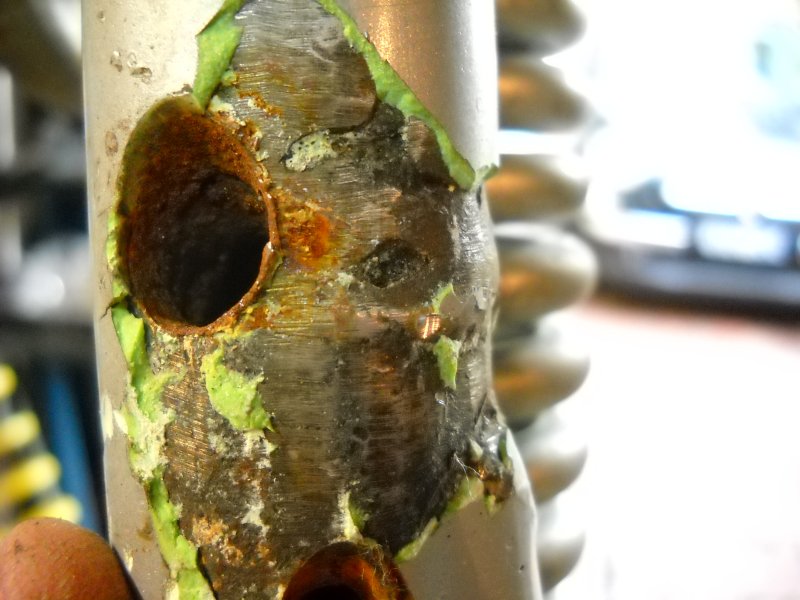
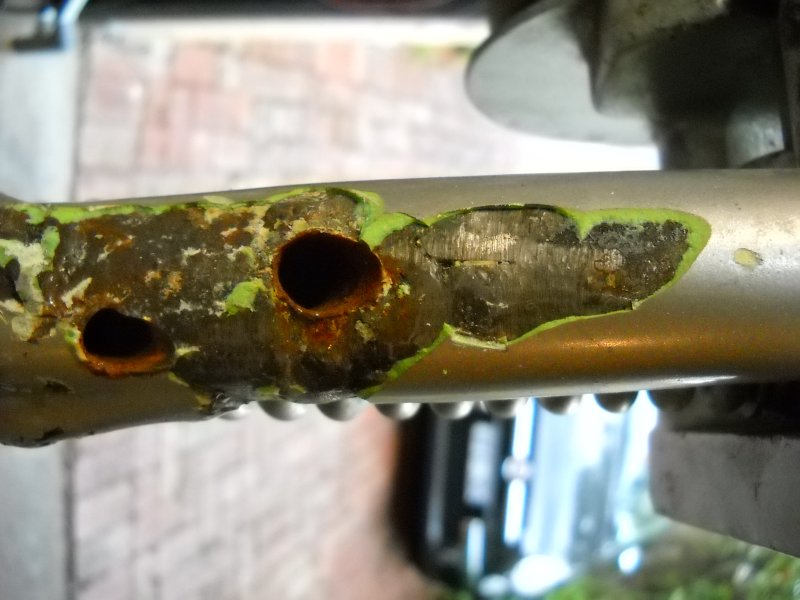
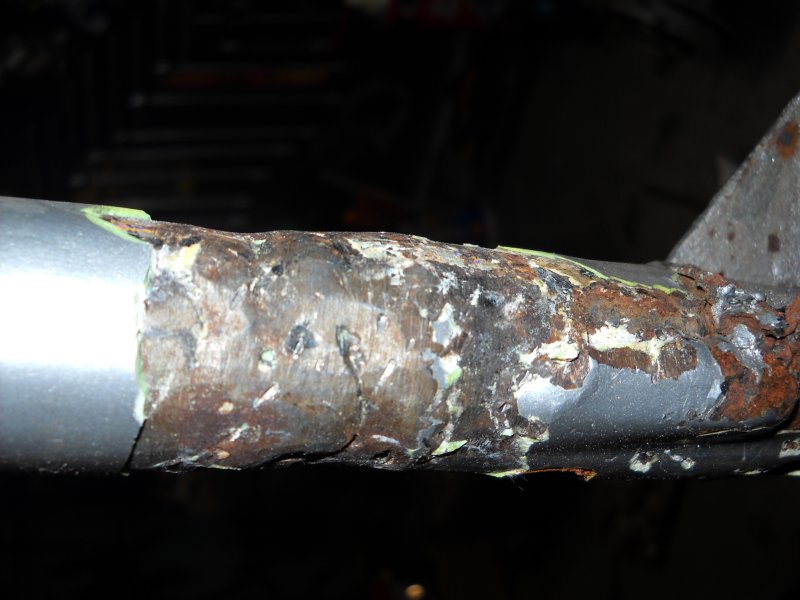
solution? Easy, cut the fork's leg and weld a piece of pipe between the
stumps to make the whole unit longer. Well... the original fork's metal is
hardened and tempered to withstand the considerable operating loads and
welding a piece of soft steel in the middle of the lower leg is really not a
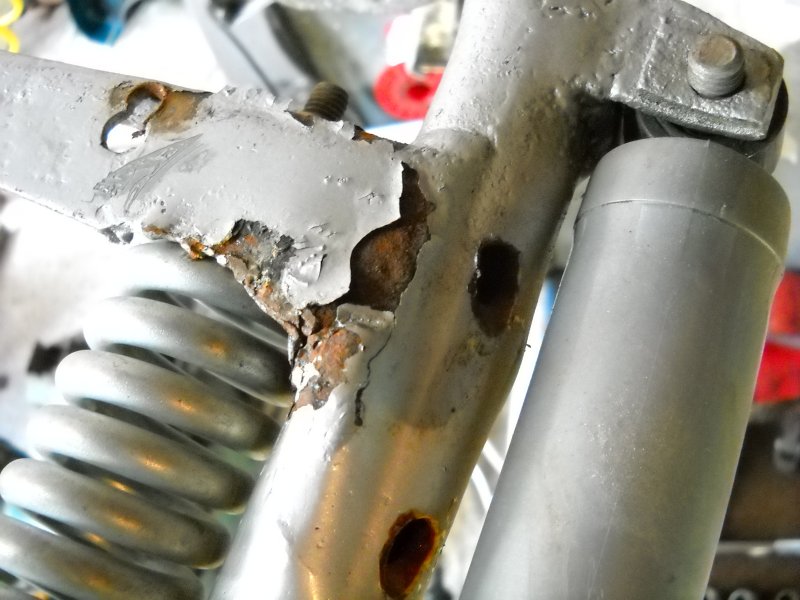
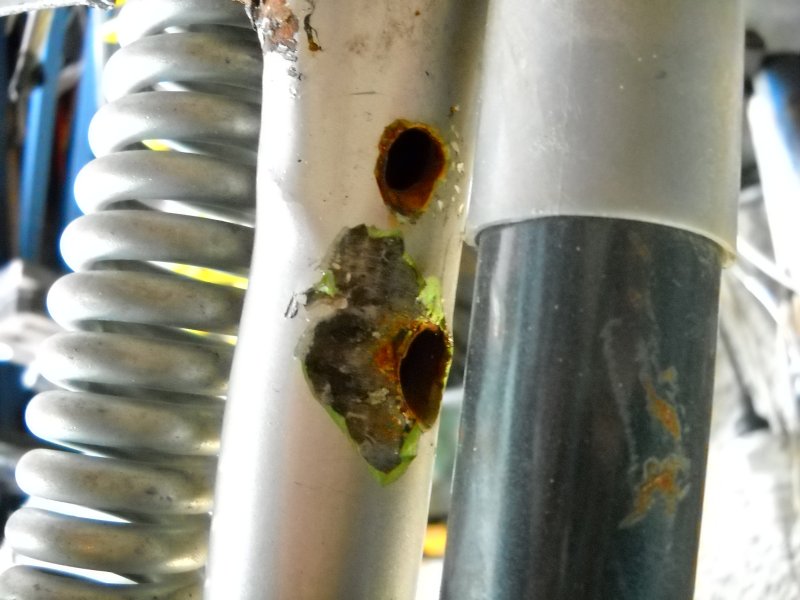
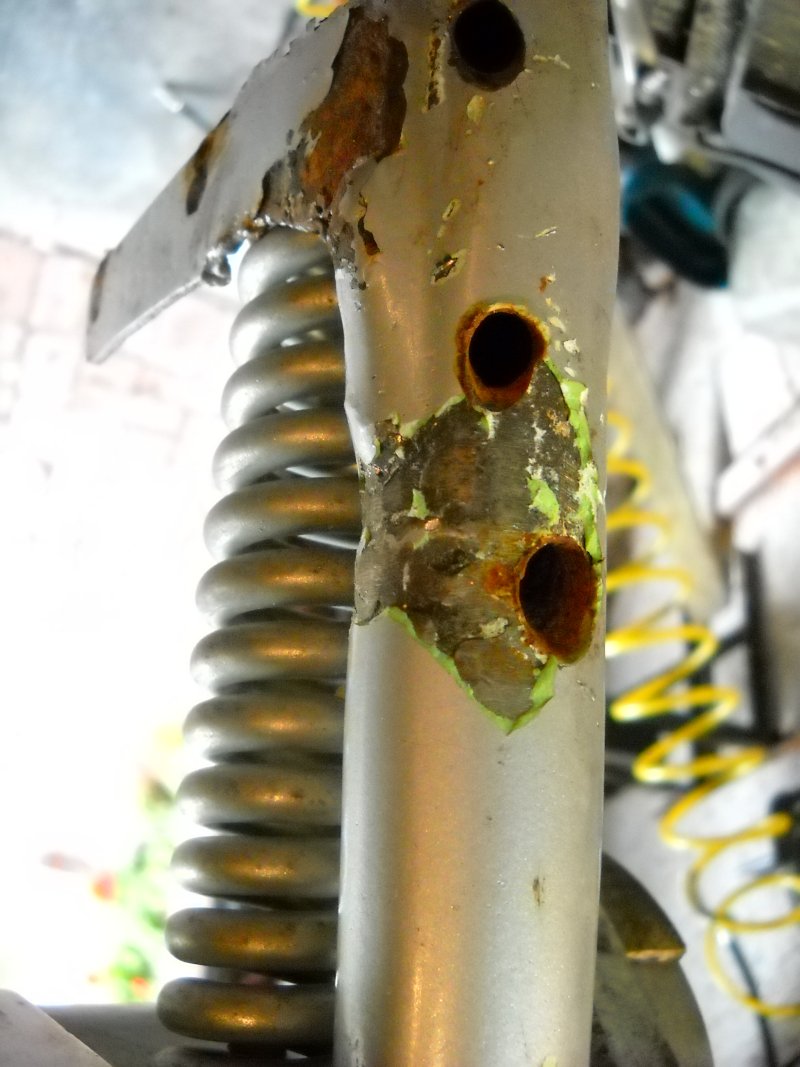
good idea. I am showing
below a set of forks found on a VBB that had gone through the modification
process and the weld was subsequently covered with a large quantity of body
filler to mask the job. Please look
carefully at the pictures and think again when you are considering buying a
modified scooters
The
Forks from hell
The
Asian Imports
|
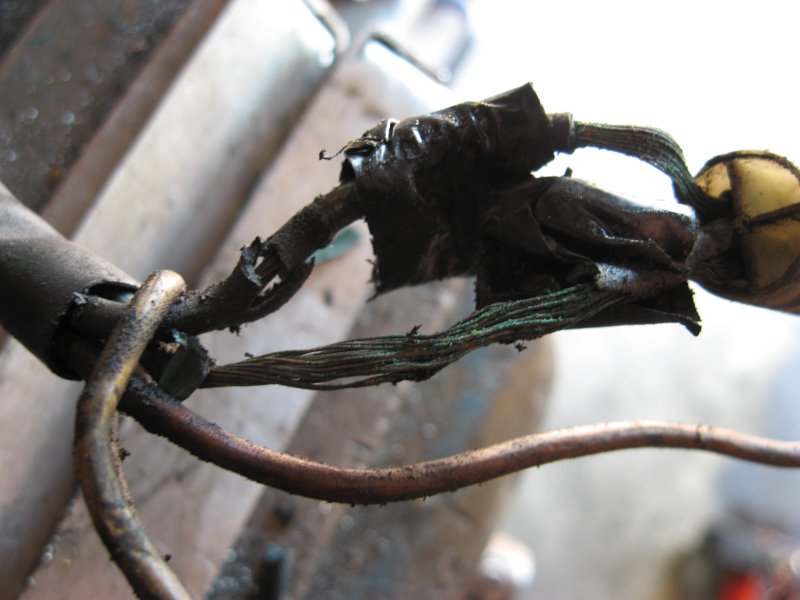
Over the past few years, the classic looks has come back into fashion and today everyone wants and old, restored Vespa. Needless to say, as the demand increases the availability of old scooters takes a dive and the ones left are becoming very expensive. In the '60s and '70s many Vespas were exported all over the world, including Asia, particularly to Indonesia and Vietnam. These scooters have endured 40 years of hard life, often carrying huge loads on difficult terrains. Spare parts and specialised mechanics were very hard to find and people had to repair their Vespas the best they could often improvising with steel wire and beer cans and some hand manufactured engine parts. In some cases I found in these engines the skin of beer cans used as shimming for parts that cannot longer fit together as they should eg: the crank bearings into the crankcase. Suddenly there was a huge demand for these vehicle and a number of workshops throughout Asia began to restore and sell them by the hundreds whilst still adhering to the standard of workmanship usually seen in those countries. The end result of this market demand is a large number of Vespas that were rebuilt to look beautiful but intrinsically dangerous to drive e.g.: to convert a Vespa from the old 8" wheel configuration to a more modern 10" one it is necessary to replace the front fork with a longer type. The original fork's metal is hardened and thermal treated and it cannot be safely altered. Despite this I have seen many of this conversion achieved by cutting the original fork's leg and welding on an extension made out of conventional water pipe....hardly a safe solution. (see pictures below). Here are some pictures of some "Vietbogs" that I have worked on. Some of my customers kept on spending money in order to render their Vespa fun and safe to drive (some up to $10.000) and others have decided to cut their expenses, bite the bullet and throw the whole bike into the tip. (Please click on this link https://www.thevespawizard.com.au/the_black_vbb.htm to see some incredible work done on a Vespa frame) |

| Here is another example of what type of damage I find on these Vespa from Asia: This flywheel was removed by forcing it out with screwdrivers or other implements placed between the flywheel and the crankcase |

This piece of beer can was found around
the crankshaft of a VBB Vespa
to fill the
space between the Flywheel and the Shaft
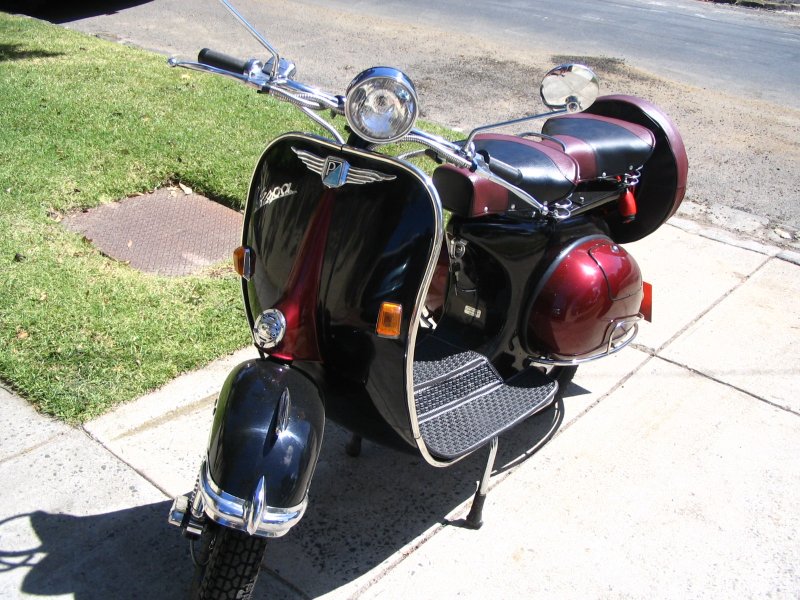
So....at the end....how do I recognise an Asian import? Here are some hints: Piaggio never
produced a Vespa in a two colour tone and if you see one it means that it
has either been repainted by the current or a previous owner or... it is
from Asia Te speedo on an
Asian Vespa is almost always new and indicating very few Km. Also, on
some units, they mispelt Km ORA (Km per hour) and they wrote Km DRA. The
new Speedos are very cheap and they leak water. Excessive use of
chromed accessories such as bumper bars or the winged Piaggio logo as
shown in the picture below Mirror mounting
screws that are part of the brake and clutch lever pivot pin The headlight globe
does not have a small reflector (separating High from Low) inside it There are many other
giveaways and you can find more following the links
http://scoot.net/faq/Asian_Restorations
https://www.flickr.com/photos/laprell_fontaine/sets/72157600026363625/comments/
https://www.flickr.com/photos/laprell_fontaine/2400475598/
https://www.thevespawizard.com.au/the_black_vbb.htm
Now....Good luck
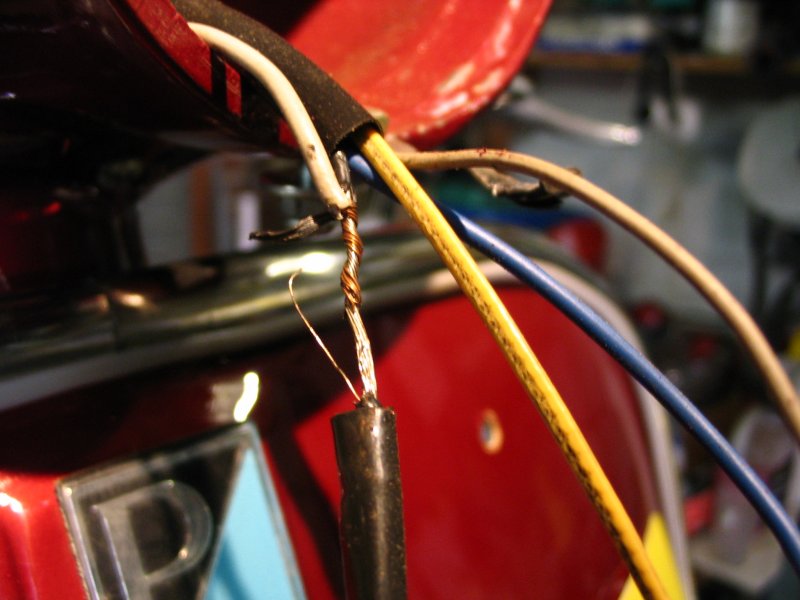
Some examples
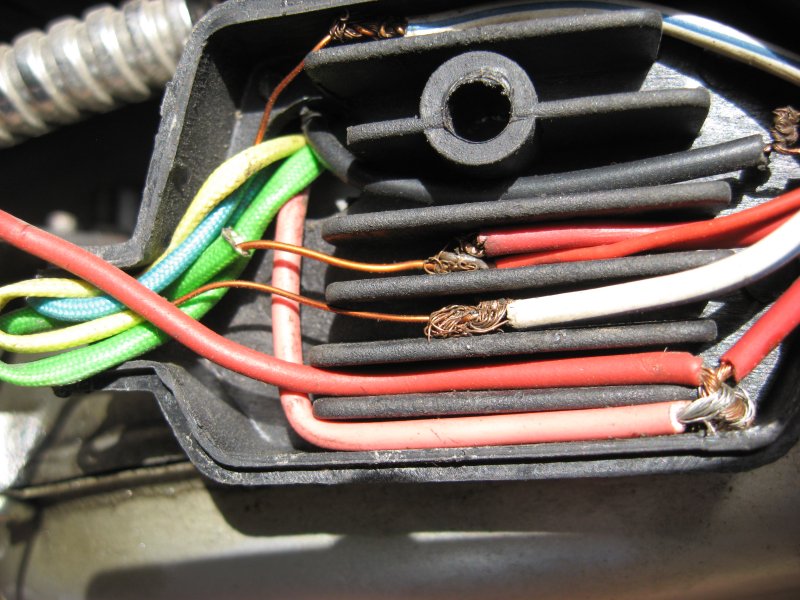
of typical Asian wiring standards

A seized and
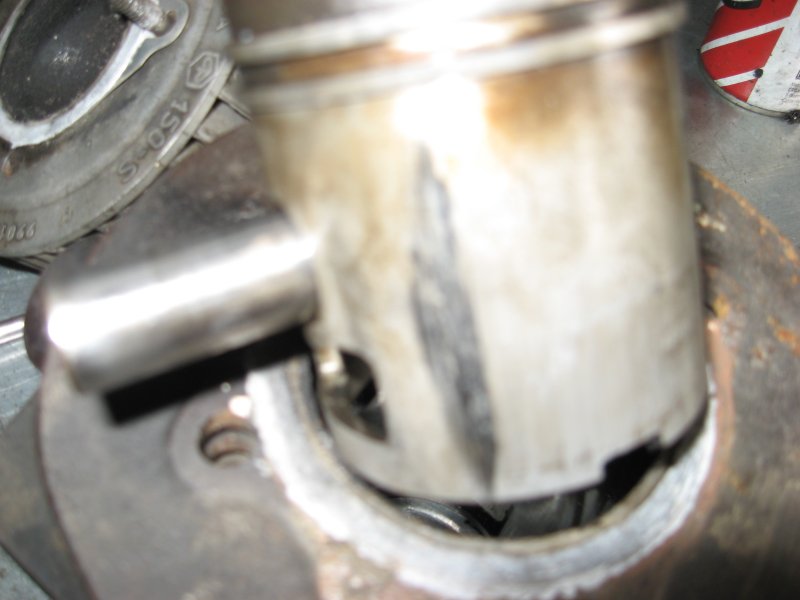
broken piston A very second
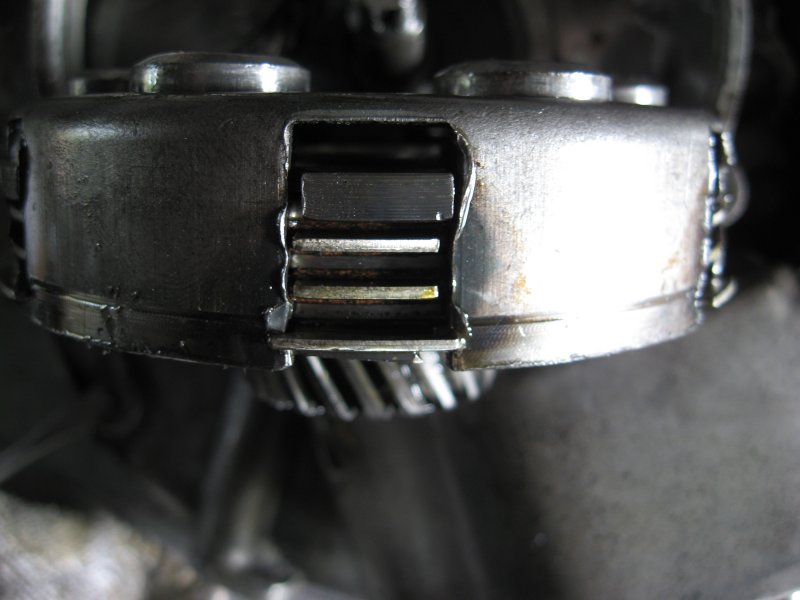
hand clutch bell basket A woodruff key
slot on the crankshaft so ruined that it is impossible to fit the flywheel
back on
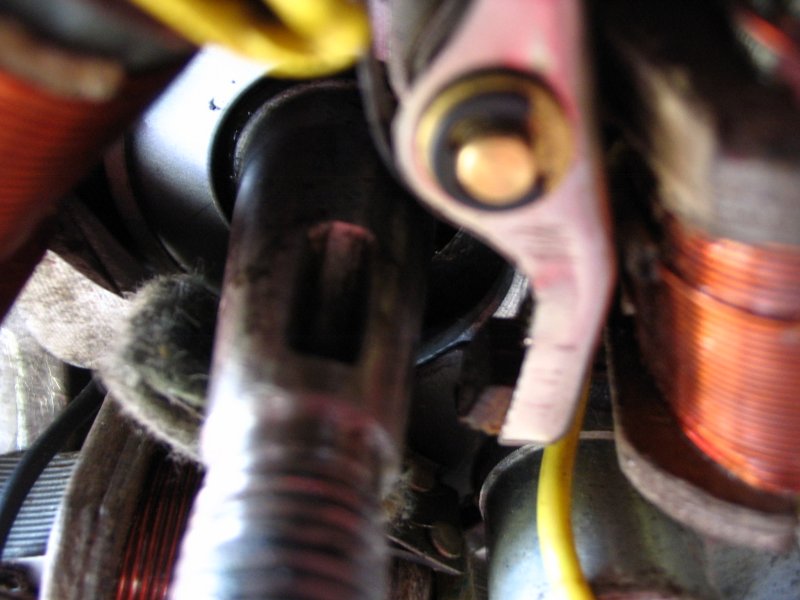
All from the
same bike bought with the understanding that the engine had been rebuilt:
AND NOW...SOME BRAKES GEMS
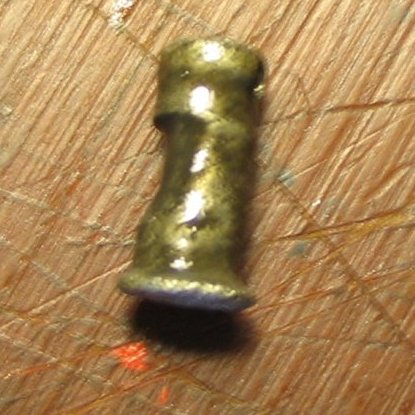
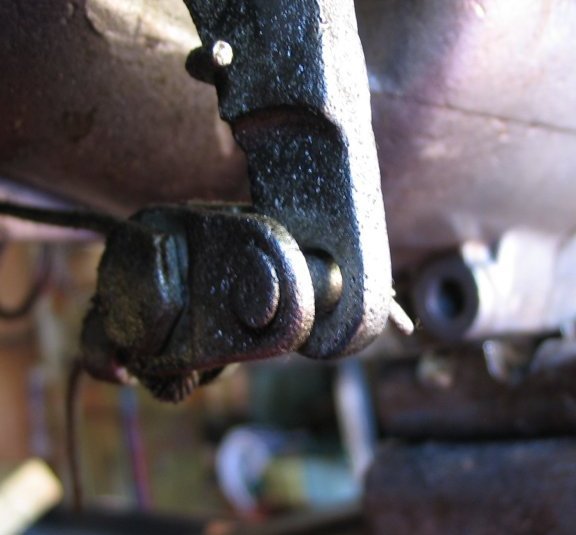
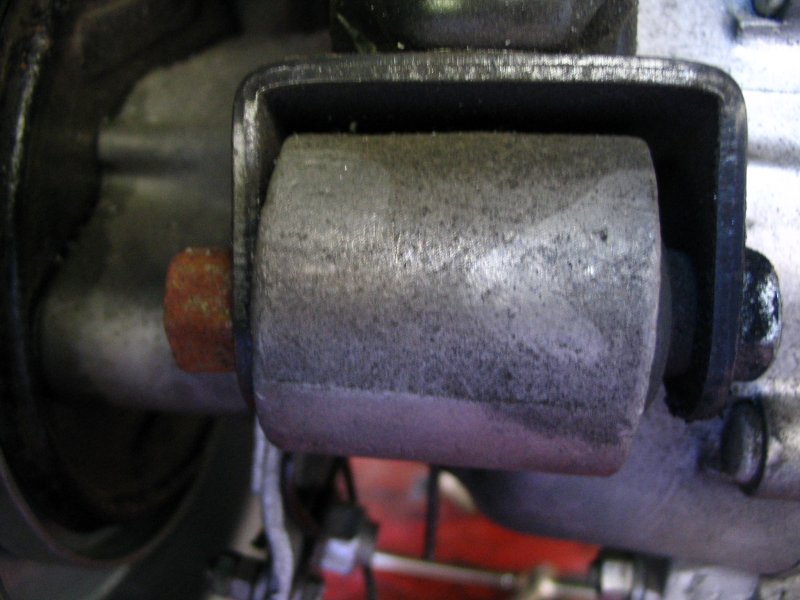
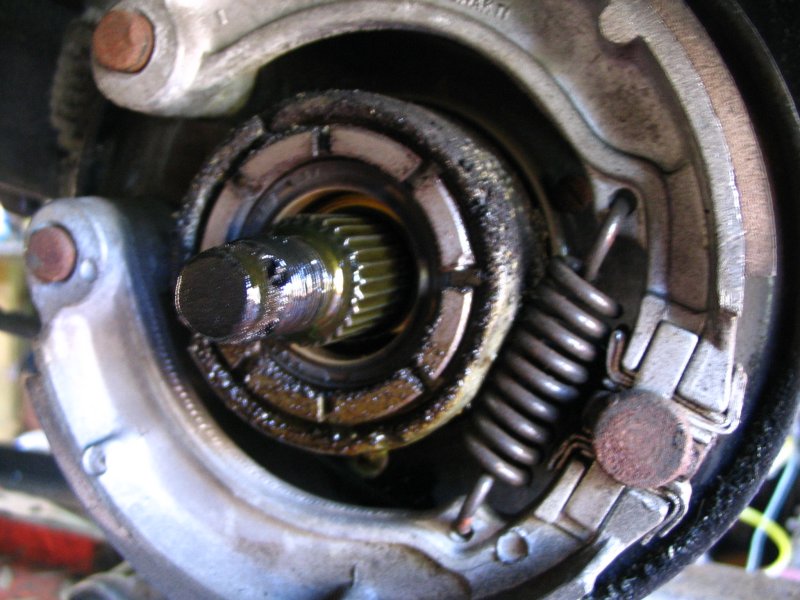
Missing shoes retaining circlips Cable
anchorage pin Cable anchorage
assembly Activating cam spaced with metal srips
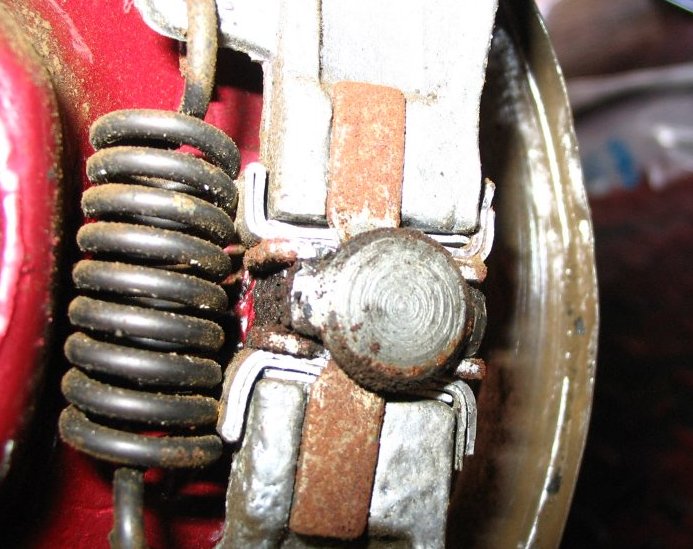
Front brake drum's wheel stud Rear brake drum
retaining bolt & homemade pin Homemade shoes retaining circlips
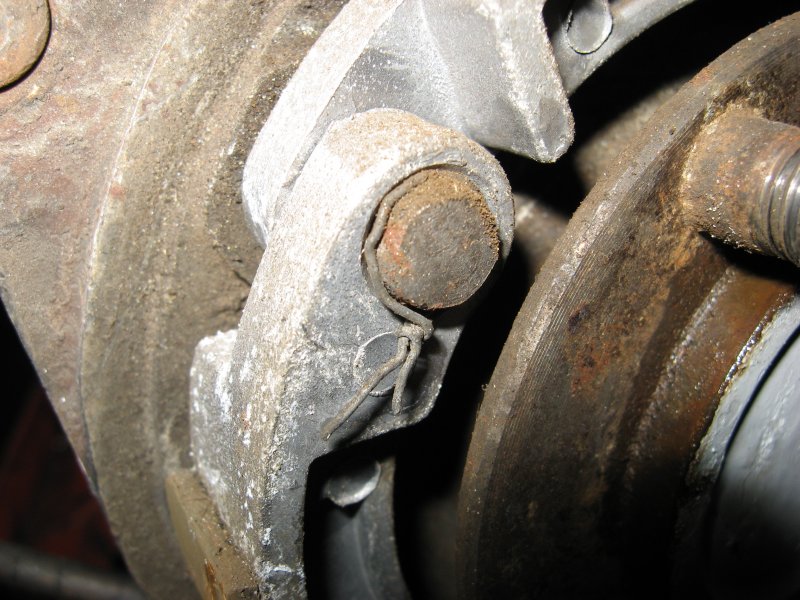
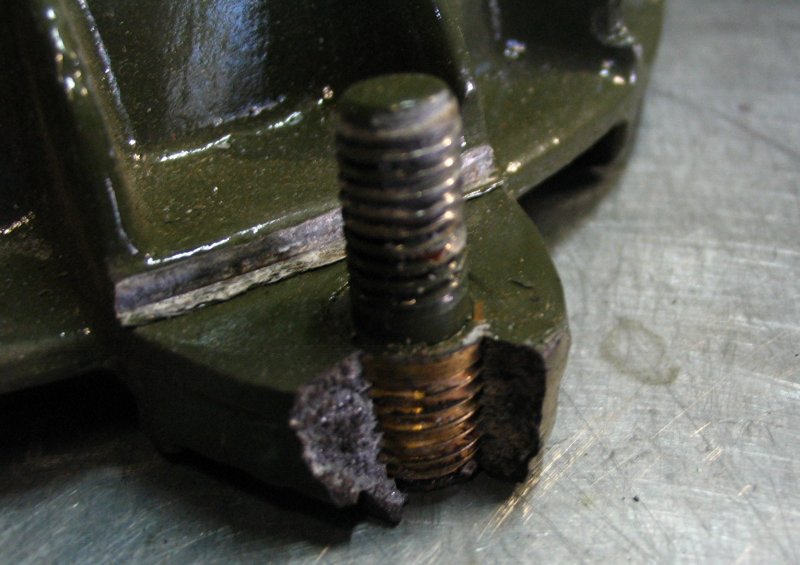
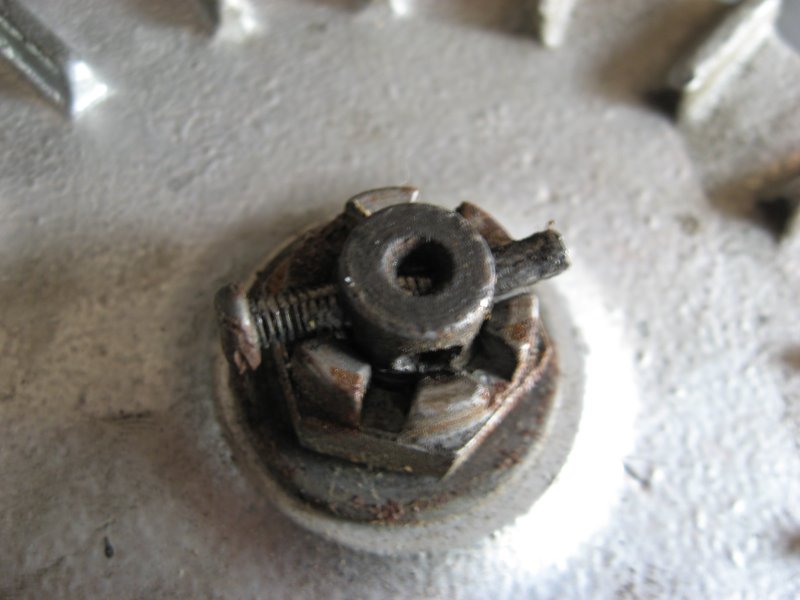
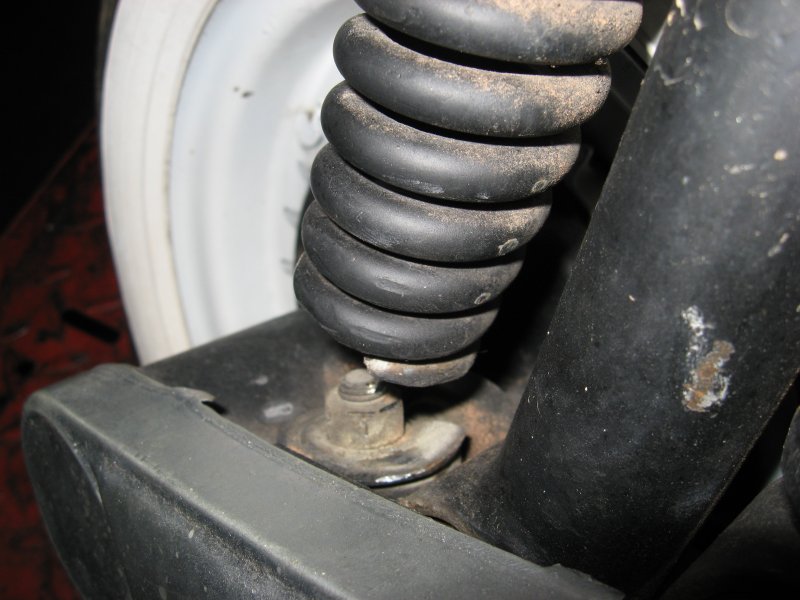
Extremely worn rear engine mounting block Front suspension spring
out of its anchorage Steering head bearing hammered
tight This one speaks for itself
......More shoddy work
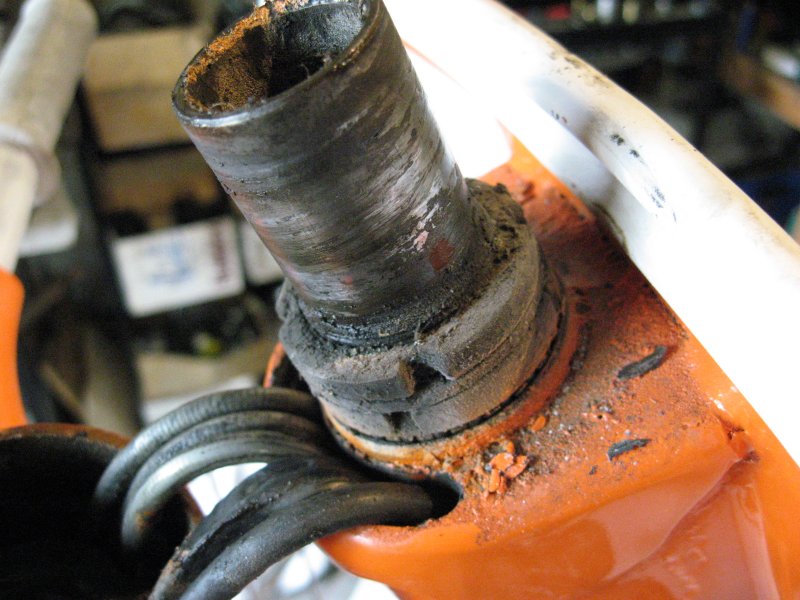
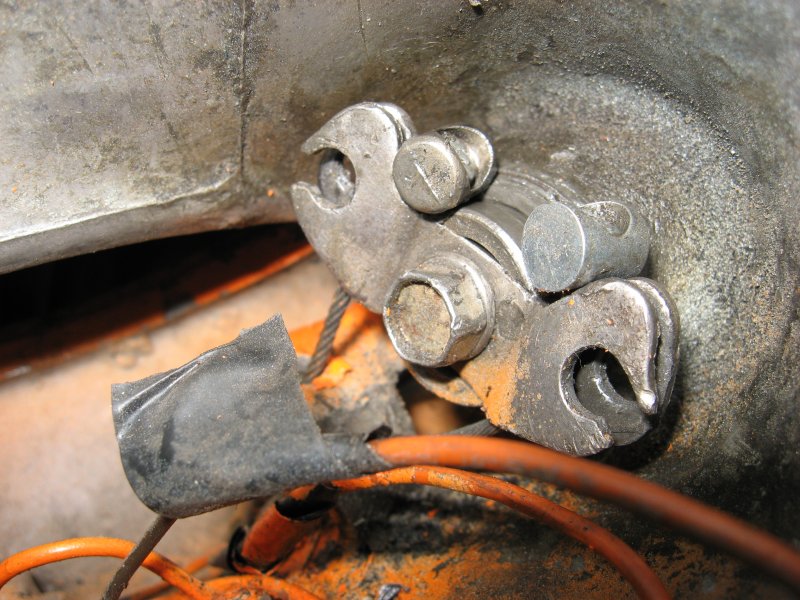
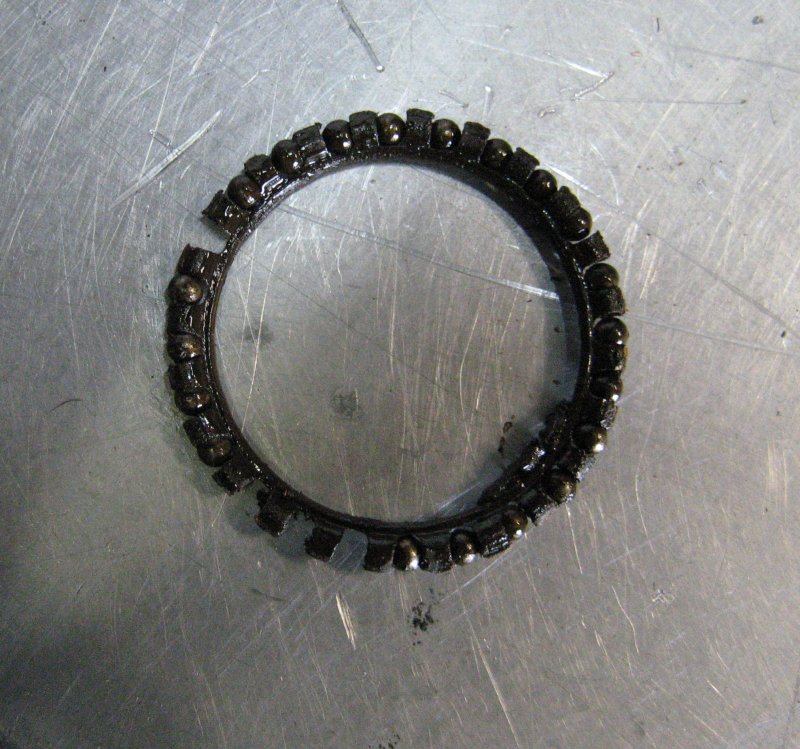
Steering head bearing Gear control
shaft Main engine mounting hole on the frame
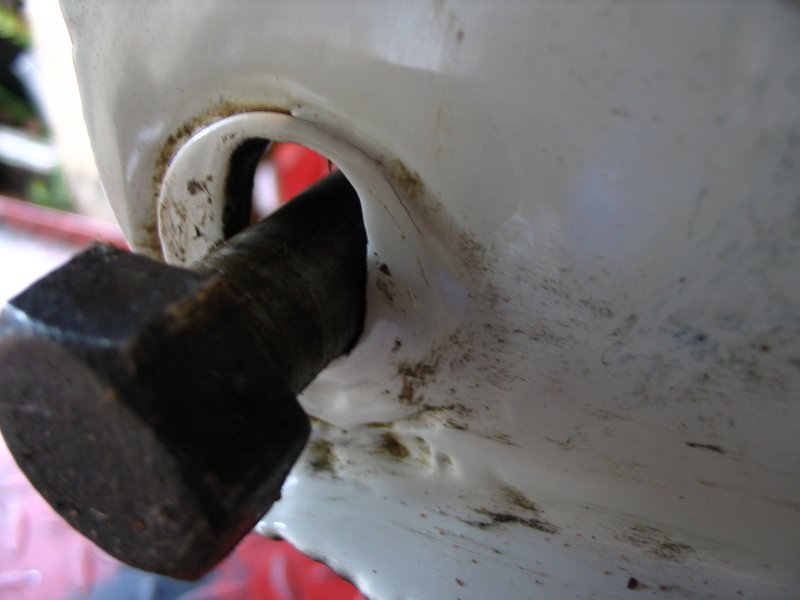
I don't think that it is
necessary to comment on this pictures. Just ask yourselves this question:
"Would you ride this vehicle?"
A customer asked me to
investigate the reason for the front wheel to be rubbing against the guard. As
soon as I saw the Vespa I realised that the front wheel was not where it
should have been. From the front it appeared to be off centre and crooked,
from the side it looked like it has been pushed back. Something was just not
right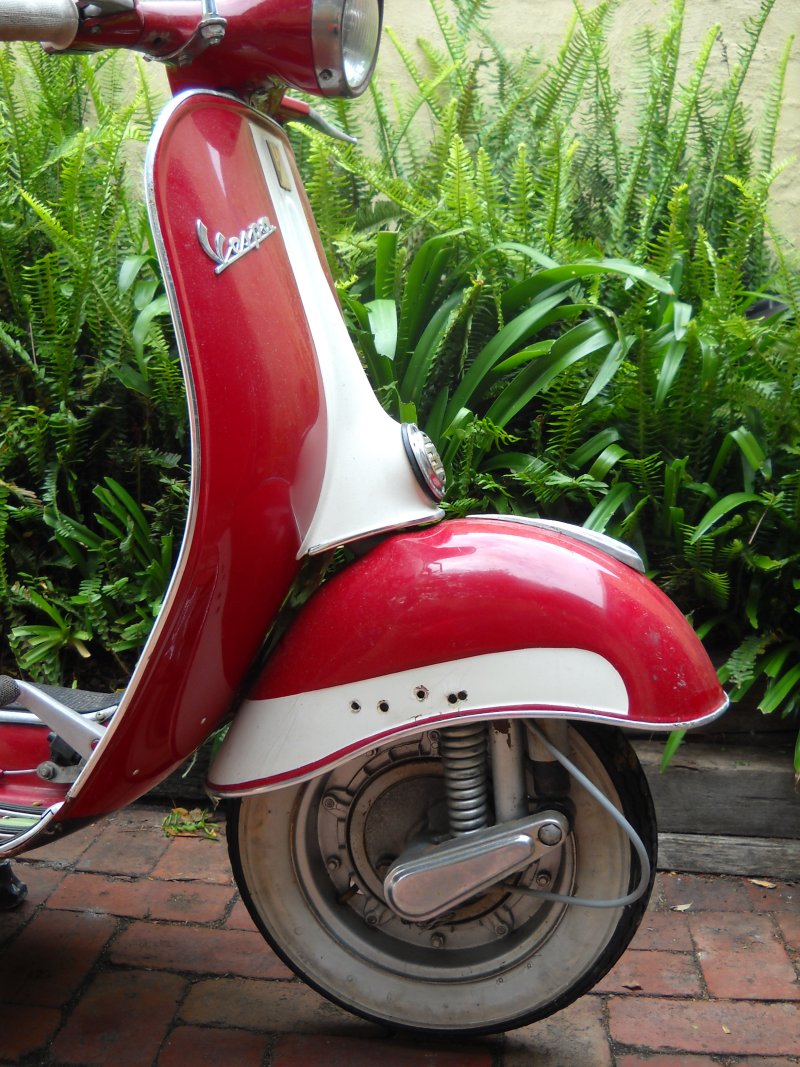
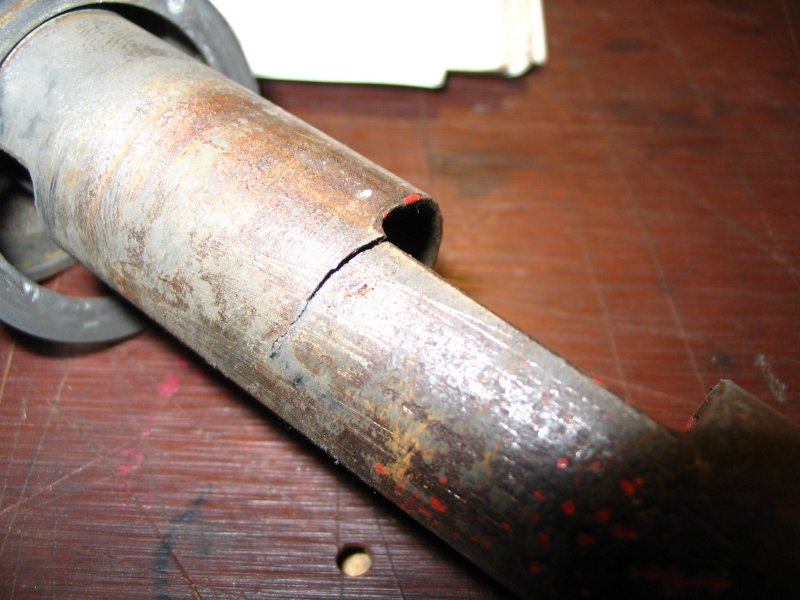
After dismantling the front end, this is what I found.
This time, the new piece of water pipe was inserted at the top curve of the forks without considering that this is probably the most stressed part of the whole bike. It only took a bit larger road bump to snap the home made extension. The rider was lucky that the whole pipe did not break off causing serious or even fatal injuries.

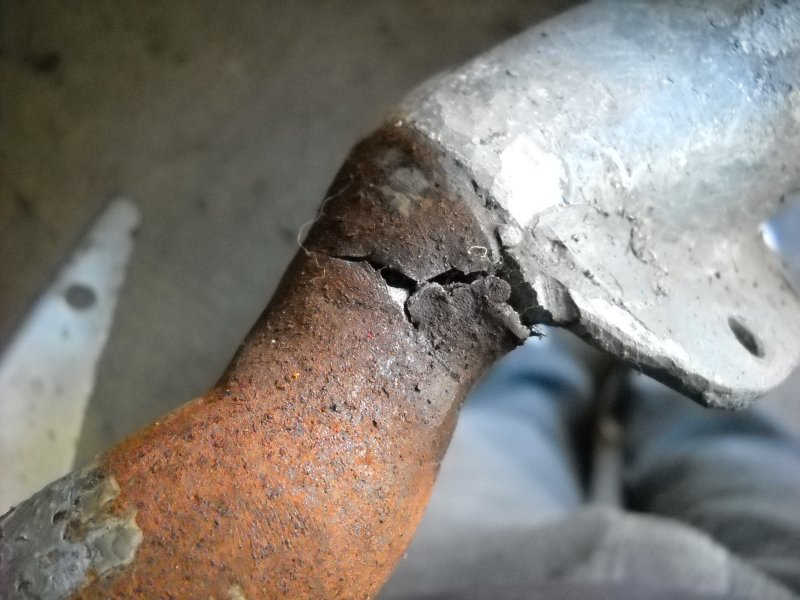
Once again... would you ride this vehicle?
I Find it quite amazing that people with reasonable business sense and experience will buy a vehicle in this conditions. The majority of us will have a vehicle inspected before even sitting in/on it and yet, when it comes to vehicles that are not even in the country, they buy them without reservation only because they are told they have been " fully restored".
Incidentally, this particular Vespa had already received an engine transplant because the one it came with gave up after only 300Km. Now the new challenge is that, having fitted an engine geared to drive a 10" wheel, we are forced to install another set of modified forks to enable us to have the same size at the front. At this stage I have no idea how we are going to do it.

| This
Vietnam imported VBB only covered 150 Km before the engine gave up
altogether. It ended up receiving a motor transplant from
a LML 200 engine.
|